Picking a training path in dental assisting isn’t something you do on a whim, at least it shouldn’t be. Philadelphia has grown into a real hub for healthcare education, and that means options. Lots of them. Students weighing Dental Assistant Schools in Philadelphia often get stuck comparing tuition, schedules, and clinical hours without a clear way to sort through it all. This piece breaks down what actually separates one program from another, and why that distinction matters more than most people realize going in.
Hands-On Training Differs
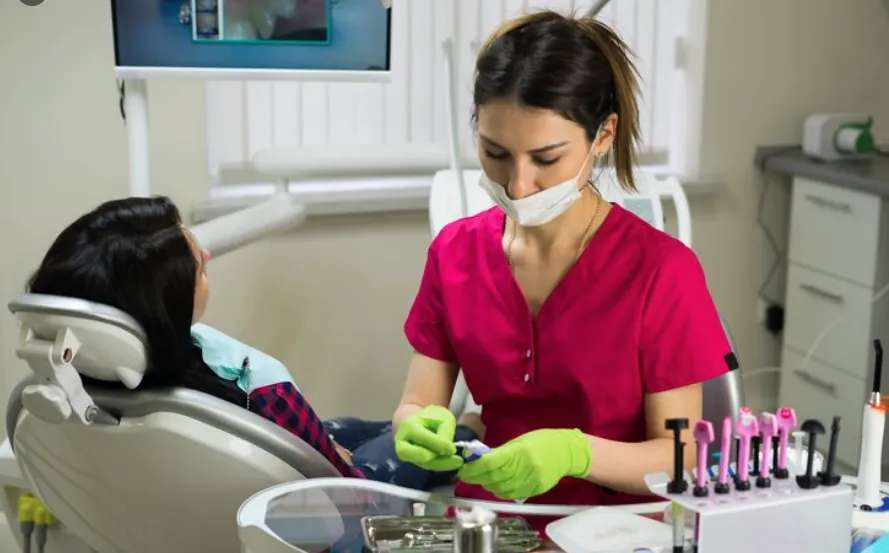
Classroom lectures only get a student so far. Dentistry is a physical trade in a lot of ways, hands moving fast, tools that need muscle memory. Some Philadelphia programs load up on lab hours early, letting students practice on mannequins before ever touching a live patient. Others lean heavily on externships with local dental offices, tossing students into real clinical settings within weeks. Neither method is wrong exactly, but the difference shapes confidence levels by graduation day, and that confidence tends to show up fast during job interviews too.
Certification Pathways Aren’t Identical
Pennsylvania doesn’t require statewide licensure for dental assistants the way some states do, but employers still care about credentials. Programs that prep students for Dental Assistant Schools Philadelphia-based certification exams like DANB tend to structure coursework around those specific competencies from day one. Others focus more broadly on general dental knowledge, leaving exam prep as an afterthought or optional add-on. That gap matters. Skipping certification prep might save a few weeks of coursework, but it often costs graduates opportunities later when practices specifically ask for certified assistants during hiring.
Cost Structures Get Complicated
Sticker price rarely tells the whole story, and this trips people up constantly. A program advertising a low base tuition might charge separately for uniforms, textbooks, exam fees, even lab kits. Meanwhile a pricier option sometimes bundles everything into one number, no surprises later. Financial aid availability shifts things further since not every school qualifies for the same federal or state assistance programs. Comparing raw tuition figures without digging into what’s actually included leads to budget shocks partway through, which nobody wants mid-semester.
Job Placement Support Isn’t Standard
A diploma alone doesn’t guarantee employment, unfortunately that’s just reality. Some schools maintain relationships with local dental offices and actively help graduates land interviews, sometimes even guaranteeing an externship converts into a job offer. Others hand you a certificate and wish you luck. That difference in support can matter enormously for someone new to the field without existing connections in Philadelphia’s dental community. Asking directly about placement rates, employer partnerships, and resume support before enrolling saves a lot of frustration after graduation, trust that.
Faculty Experience Shapes Learning
Instructors matter more than most prospective students consider upfront. A program taught by working dental professionals brings real chairside stories into the classroom, little details that never show up in a textbook. Schools relying mostly on adjunct instructors juggling other jobs sometimes offer less consistency week to week. Ask how long faculty have practiced, whether they still work in clinics part time, and how accessible they are outside scheduled hours. That accessibility often ends up mattering more than class size ever does.
Conclusion
Choosing between dental assisting programs in Philadelphia comes down to matching a school’s structure to your actual life, not just its reputation or price tag. Length, hands-on training, certification focus, hidden costs, and job placement support all shift the outcome in ways that aren’t obvious from a glossy brochure. Anyone doing this research seriously should compare these factors side by side rather than picking the first name that pops up. For students exploring their options further, resources at aspiredentalassistantacademy.com offer a useful starting point for understanding what a quality program actually looks like.